Holly Jolly Christmas: A Festive Display Font
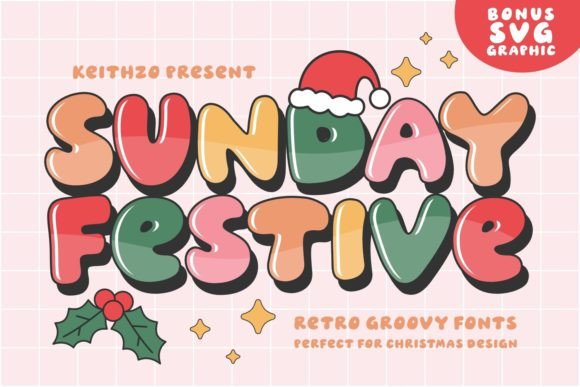
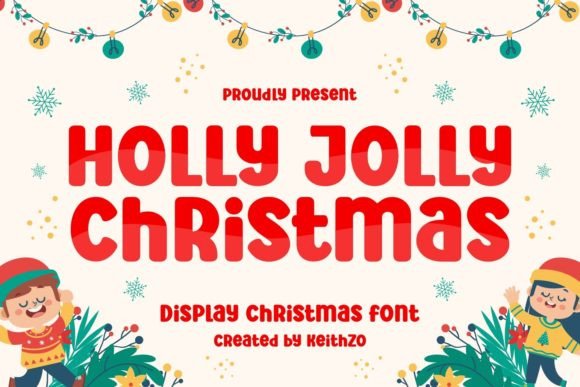
When I first tested the Holly Jolly Christmas font, I immediately thought of warm bakery windows, hand-painted ornaments, and the kind of holiday packaging that makes customers smile before they even open the box. It’s a bold display typeface that doesn’t just say “Christmas”—it radiates the kind of playful, nostalgic cheer you’d find in a vintage children’s book or a cozy Christmas market. The letters are thick, bouncy, and full of personality, making every word feel like a tiny celebration.
As a printable product creator and sticker shop owner, I need fonts that work hard behind the scenes while keeping a handcrafted look. Holly Jolly Christmas fits that brief beautifully. Its substantial weight and rounded edges create an inviting, toy-shop charm that catches the eye in thumbnail previews, mockups, and physical displays alike. Whether stamped on a card or cut from adhesive vinyl, the typeface feels carefully considered—not like a generic holiday clipart afterthought. That distinction matters when you’re building a brand around seasonal products that have to compete in busy marketplaces.
What Makes This Display Font Feel Special
At first glance, the font radiates a playful boldness. The letterforms have a bouncy baseline that gives words like “Joy” or “Noel” a sense of motion, as if they’re dancing across a mantelpiece. The counters—the open spaces inside letters like ‘o’ and ‘e’—are generous, which boosts readability even at smaller sizes. There’s a hand-drawn quality in the slightly uneven serifs and the way certain strokes taper, but the overall structure remains sturdy and clean. It never feels messy or hard to read, which is a risk with many themed display fonts.
I find the texture of Holly Jolly Christmas especially useful for product presentations. When printed on kraft paper or textured cardstock, the bold shapes hold up without disappearing into the background. On glossy sticker paper, the letters pop with a dimensional, almost puffy quality. This is the kind of font that makes your product photos look premium, even if you’re shooting with a simple lightbox.
Greeting Cards and Invitations
For Christmas party invitations, the font transforms a simple 5x7 card into a keepsake. I’ve used it for the main greeting line—“You’re Invited to a Holly Jolly Evening”—paired with a clean sans serif for the details. The contrast adds instant structure. Similarly, classroom Valentine’s or custom holiday photo cards benefit from a short, cheerful headline set in this typeface. It communicates warmth without trying too hard.
Labels, Tags, and Product Packaging
This is where the font truly becomes a seller’s asset. A rectangular kraft label with “Cocoa Blend” or “Spiced Cider” set in Holly Jolly Christmas instantly upgrades the perceived value of a handmade candle or gourmet hot chocolate mix. The letters feel tactile and friendly, the same way a chalkboard menu outside a café does. I’ve also seen makers use it on round hang tags for knitted scarves or wooden ornaments. When scaled appropriately, it retains its charm on both 2-inch circle stickers and larger 3-inch product labels.
For subscription box owners or bakery shops, the font offers recognizable seasonal branding. Imagine a monthly box reveal where every December package features a wax seal-style sticker with “Merry & Bright” in this typeface. Customers begin to associate that specific lettering with a special treat—and that’s the kind of emotional appeal that builds repeat purchases.
Printable Wall Art and Signs
Farmhouse-style signs remain a strong seller even outside the holiday season, and Holly Jolly Christmas bridges the gap beautifully. A “Christmas Memories Made Here” printable framed in a wooden hoop or leaned on a shelf shelf looks instantly curated. The font’s boldness means it doesn’t require additional embellishment, though it pairs nicely with simple watercolor wreaths or pine branch graphics. For larger signs, such as wedding welcome boards or hot cocoa bar menus, the display weight holds its impact even when blown up to 18 inches or more—just be mindful of letter spacing on your cutting mat.
SVG Projects and Wearables
If you sell SVG cut files for Cricut or Silhouette users, this font is a goldmine. Tote bags that read “Fa La La La La” or “Let’s Get Holly Jolly” in chunky, playful letters appeal to craft fair shoppers looking for something handmade but not amateurish. When I test fonts for heat transfer vinyl, I always look at the thin connections between strokes—here, the font holds its ground. The thick stems don’t have hairline weak points that would cause weeding nightmares. For shirts and onesies, I recommend sizing the text as a single-line phrase; the bold shapes ensure the design remains legible after washing.
Perfect for Short Phrases, Titles, and Names
I wouldn’t set a full guest list or a product description in Holly Jolly Christmas. Its strength is in display use: a name on a Christmas stocking tag, a cafe menu header, a boutique candle label, or the title of a digital planner cover. Short phrases under eight words really let each letter’s personality shine. If you try to cram it into a paragraph, the bouncing rhythm becomes fatiguing. Use it where you need instant visual impact, and let a neutral typeface handle the fine print.
Scaling for Stickers, Small Labels, and Cutting Machines
When shrinking the font down to fit a 1-inch sticker or a tiny gift tag, test your print settings first. At very small sizes, some of the playful quirks might blur if your printer isn’t set to highest quality. For cutting machines, I recommend sticking to 0.75 inches and above for optimal weeding with vinyl. The internal cutouts—the hollow spaces in letters like ‘o’ and ’d’—are wide enough that they peel out cleanly. I’ve had zero issues with intricate designs getting lost.
For printable sticker sheets, I often outline the text with a subtle offset so the letters have a defined border. This boosts contrast against busy patterns like tartan or snowflake backgrounds. Your mockup previews will show a clear, professional edge that conveys better quality even before someone clicks “add to cart.”
Pairing Suggestions for a Professional Look
A display font like Holly Jolly Christmas demands a supporting cast that respects its character. My go-to approach is to pair it with a crisp sans serif font for addresses, dates, and ingredient lists. Something clean like a geometric sans serif balances the whimsy without competing. You get a visual hierarchy that guides the eye: first the cheerful headline, then the practical information.
If you’re designing a holiday wedding suite—think a welcome sign or a hot chocolate bar menu—try layering the font with an elegant script font for the couple’s names. The contrast between the structured display letters and flowing calligraphy creates a high-end, curated feel. Another tactic I use is pairing it with a simple serif font for body copy on printed recipe cards. The subtle elegance of a lightweight serif tempers the boldness and makes the final piece feel balanced, not gimmicky.
When creating social media graphics or web banners, a handwritten font in a complementary weight can underline a short phrase set in Holly Jolly Christmas. Just be careful not to over-embellish. One strong display headline per design is usually enough to carry the holiday spirit.
Checking the Fine Details Before You Sell
Before committing any new display font to a product line, I always dig into the file contents. While every foundry is different, you’ll want to check if Holly Jolly Christmas includes any alternates, ligatures, or swashes that could give your text an extra custom feel. Even simple stylistic alternates can transform a plain “Hello” into something that looks hand-lettered. Multilingual support is another factor for sellers who sell internationally, or who want to cater to diverse customer bases. A font that handles accented characters gracefully opens up product possibilities far beyond English-only designs.
If you’re creating templates or editable PDFs, make sure the font is embedded correctly so your customers see the same cheerful letters you designed with. The last thing you want is a default fallback font ruining the festive look of a editable invitation or a digital planner cover.
Commercial Licensing and Protecting Your Business
I’ll say this upfront because I’ve learned the hard way: not every cute font comes with the rights to use it on products you sell. Holly Jolly Christmas, like any premium font you source, should include a clear commercial license if you plan to create physical items for sale—candles, mugs, shirts, stickers, gift tags—or to offer digital downloads such as printable art, SVG cut files, editable templates, and stationery sets. Always read the license terms. Many creators are generous with small-business-friendly clauses, but it’s your responsibility to confirm that your use case (including client work or printed merchandise) is covered.
The peace of mind that comes with a proper commercial font license lets you focus on what you do best: designing products that spread joy during the busiest, most profitable season of the year.
Building a Recognizable Holiday Brand
Consistency is the unsung hero of a successful handmade shop. When you use the same display font iteration after iteration across candle labels, thank-you cards, hang tags, and social media posts, you create a subtle brand signature. Customers may not know the difference between a serif and a sans serif, but they’ll recognize your Christmas collection’s visual personality again next year. Holly Jolly Christmas offers that kind of adaptable cohesion. Its festive charm works on a dining table centerpiece banner just as well as it does on a slim, elegant cookie box label.
Whether you’re a new Etsy seller preparing a holiday launch or a seasoned stationery designer refreshing your winter catalog, this display typeface bridges the gap between nostalgia and modern craft. It helps your work feel more intentional, more handmade, and ultimately more saleable—because when customers feel that emotional tug from a well-chosen font, they’re not just buying a product. They’re buying a feeling.